The short answer
Get people and pets out of standing water. Cut the water at the shutoff if you can reach it from a dry place. Cut the power at the main breaker only if you can do that without stepping in water. Photograph the room, then get the water out and the air moving. The EPA says to dry wet materials within 24 to 48 hours if you want to keep mold from starting.
On this page
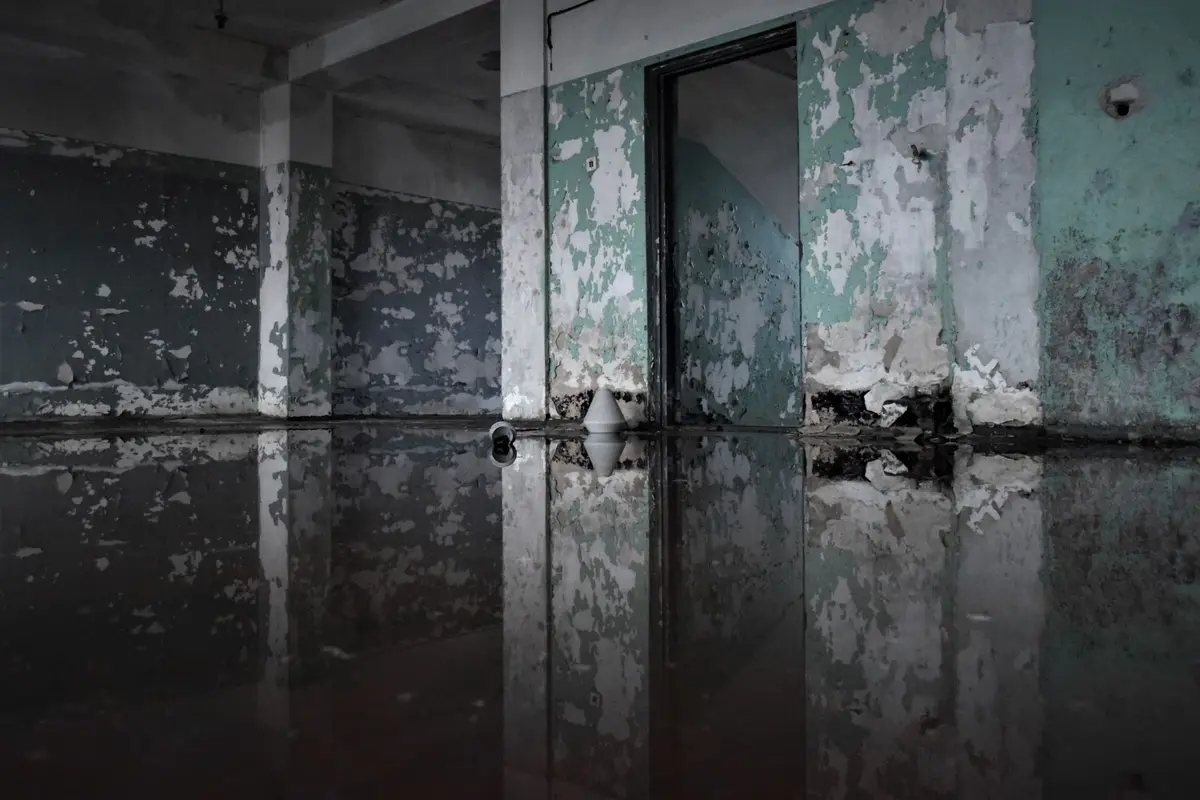
Standing water in a hallway does not wait for a plan. The order still matters. A few early steps keep people off live power and give the house a chance to dry before mold has a reason to start.
Get people out of the water
Move children, older adults, and pets off the wet floor. Flood water can carry sewage and chemicals. The CDC flood-cleanup page says skin contact with floodwater is not, by itself, the main risk, and that eating or drinking anything contaminated with it can make a person sick. Open cuts should be washed.
If the water is outdoor flood water and the house has been closed up for several days, the CDC reentry page asks you to come back in daytime, use battery-powered flashlights, and air the house out for at least 30 minutes before you stay.
Stop the water if you can reach the valve dry
A burst supply line, a failed water heater, or a running toilet has a shutoff. If you can walk to it on a dry path, turn it. The Red Cross utilities page says to shut the main water valve when pipes are damaged, then call a plumber.
If you cannot reach the valve without wading, leave it. Getting to a valve through standing water is not worth a fall or a shock.
Treat the power as live until you know it is not
The CDC electrical page is blunt: if circuits or equipment are wet or near water, turn the power off at the main breaker, and do not walk through standing water to do it. Call an electrician if the panel is on the far side of the water. Never turn power on or off, or use a tool, while you are standing in water.
The Red Cross says that if a pool of water sits between you and the panel, you may try a dry wooden stick to reach the main breaker, without stepping or standing in the water. If you cannot reach it, call a qualified electrician. Should I turn off the electricity if the floor is wet? walks through that choice.
Photograph, then get the water out
Call your insurer when you can. The Insurance Information Institute's Am I Covered? page says an HO-3 policy covers accidental discharge from a plumbing system. Photograph the room before you move furniture. Does homeowners insurance cover a burst pipe? explains what that usually includes and what it leaves out.
Once the power is safe, get standing water out with a wet vac or a pump. The EPA flood-cleanup page says to sort materials and throw away anything you cannot clean and dry, then clean what remains, then dry the house completely.
Open windows if the weather allows. Use fans and dehumidifiers only after an electrician says the outlets are safe. The EPA says that if you can already see mold, wait to start fans until you have gently cleaned the mold you can see, so the fans do not spread it.
Watch the 24 to 48 hour window
The EPA mold guide says that if wet materials are dried within 24 to 48 hours, mold will not grow in most cases. The CDC says that if a flooded home, including furniture and rugs, could not be completely dried in that window, you probably have mold, even behind cabinets or inside walls. How soon does mold grow after a leak? is the short version.
That window is why people call a crew for extraction. HomeAdvisor, updated June 17, 2026, puts the average restoration job at $3,868, with most homeowners spending between $1,383 and $6,369. Those figures are national. They are not a bid for your house.
What usually has to come out
The CDC lists mattresses, carpeting, carpet padding, upholstered furniture, and paper products among the things to throw away if they cannot be cleaned or dried quickly. It also says to remove and discard drywall and insulation that has been contaminated with sewage or floodwater. When does wet drywall need to come out? covers that in more detail.
Clean supply water on hard tile is a different job from sewage on carpet. A crew should tell you which one they think they are looking at before they start tearing out walls.
If you want someone else to handle the extraction
You can do a lot of this yourself on a small, clean leak. A larger room, a hidden pad, or water you cannot identify is a reason people hire a restoration crew. How to choose a water damage company is a checklist for judging any crew. One or more water-damage companies that serve your area may call and text you if you ask through this site.
If you live in one of the cities we could source, start with the local page: Cedar Rapids, Grand Forks, Terre Haute, or Eau Claire. Each one has permit notes and a sourced national cost range.
Questions people ask next
People usually ask four things next, in this order:
Sources
- EPA: A Brief Guide to Mold, Moisture and Your Homeepa.gov
- EPA: Flood Cleanup to Protect Indoor Air and Your Healthepa.gov
- CDC: Safety Guidelines, Reentering Your Flooded Homecdc.gov
- CDC: Guidelines for Cleaning Safely After a Disastercdc.gov
- CDC: What to Do to Protect Yourself From Electrical Hazardscdc.gov
- American Red Cross: Checking Your Home's Utilitiesredcross.org
- Insurance Information Institute: Am I Covered?iii.org
- HomeAdvisor: How Much Does Water Damage Restoration Cost? Updated June 17, 2026homeadvisor.com
- CDC: What You Can Do to Protect Your Respiratory Health During Disaster Cleanupcdc.gov
Who wrote and checked this page
- Written by
- Soaked SOS editorial staff. Who runs this site
- Facts checked
- , by the Soaked SOS editorial staff, against the sources listed on this page.
- Licensed professional
- None. No licensed restoration contractor or industrial hygienist has checked this page.
Want a crew to look at the water?
Soaked SOS and one or more water-damage companies that serve your area may call and text you to talk through what you are seeing. Asking is free, and the call is not a bid.